
A comprehensive guide to choosing the right peptides for long-term wellness. Covers goal-based selection (recovery, GH support, metabolic health, cognitive function), explains manufacturing costs, and outlines how FuseHealth enables compliant access for operators and patients.
What Is the Purpose of Peptides?
Your body already runs on peptide signals. These are short chains of amino acids your cells use to talk to each other. When your body needs to repair a tendon, regulate a hormone, reduce localized inflammation, or shift into deeper sleep, specific peptides carry that instruction.
In a therapeutic setting, therapeutic peptides either replace signals the body has stopped producing in adequate amounts (usually due to age or stress), or reinforce a specific pathway that has become sluggish. That is meaningfully different from most pharmaceutical approaches, which tend to block or suppress biological processes.
A 2023 review published in Frontiers in Pharmacology noted that over 100 peptide-based drugs are currently FDA-approved, with more than 400 in active clinical trials.
What Peptides Should I Use? Start With Your Goal
The single most common mistake people make is picking a peptide based on what is popular rather than what is relevant. What peptides you should use is a goal-first question.
- For Recovery and Tissue Repair
BPC-157 gets the most attention here. Multiple preclinical studies show it meaningfully accelerates healing in tendons, ligaments, and muscle tissue. It also appears to support gut lining integrity. TB-500 (derived from Thymosin Beta-4) is frequently paired with BPC-157 for connective tissue repair.
- For Growth Hormone Support and Healthy Aging
Ipamorelin produces a clean, controlled GH pulse. CJC-1295 extends how long that pulse lasts. Together they are one of the most used stacks for people focused on body composition, sleep quality, and recovery capacity as they age. Sermorelin is another option with a longer clinical track record.
- For Metabolic Health and Weight Management
Semaglutide and Tirzepatide are GLP-1 receptor agonists with FDA approval. The STEP 1 trial showed semaglutide producing an average 15% body weight reduction over 68 weeks. Tirzepatide in the SURMOUNT-1 trial reached up to 22.5%.
- For Sleep and Cognitive Function
DSIP (Delta Sleep Inducing Peptide) targets sleep architecture directly. Selank and Semax come from Russian neurological research and have shown early evidence for anxiety reduction and mental clarity.
Why Are Peptides So Expensive?
The answer is more honest than most people expect. Why are peptides so expensive from a legitimate source is not about inflated margins. It is about what it actually takes to produce something that is safe to put in your body at clinical-grade standards.
- The Manufacturing Process Is Genuinely Difficult
Peptides are built one amino acid at a time through solid-phase peptide synthesis. Reaching the purity levels required for clinical use (typically 98% or higher) requires multiple rounds of purification using HPLC equipment that costs millions to operate. Reputable manufacturers run identity testing, sterility checks, endotoxin screening, and heavy metal panels on every batch.
- Logistics And Compliance Add Real Cost
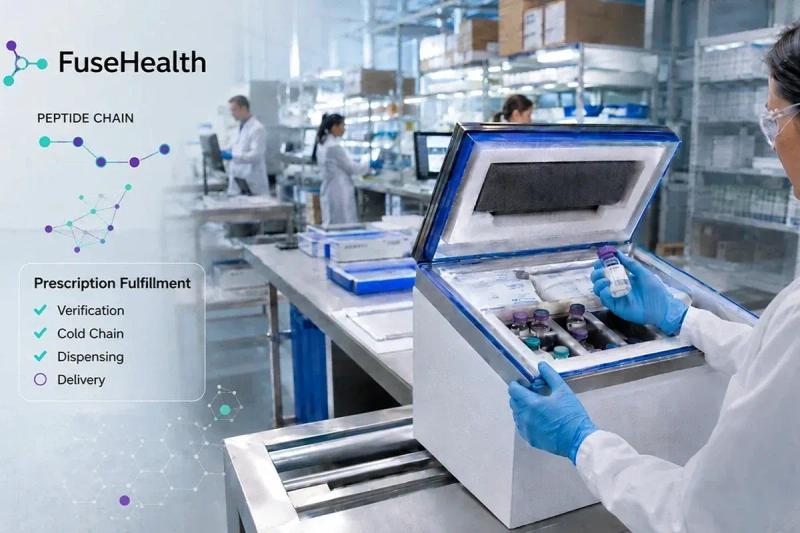
Most injectable peptides require continuous refrigeration from manufacture through delivery. Compounding pharmacies operating within US regulatory standards face a level of oversight that standard supplement manufacturers do not. Platforms that undercut that price are not being more efficient. They are removing the layer of accountability that makes the product safe.
How Fuse Health Makes This Accessible Without Cutting Corners
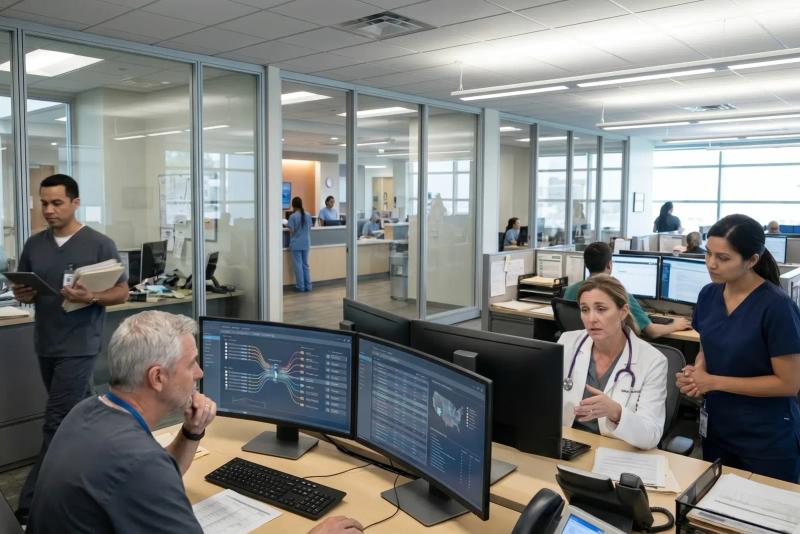
Fuse Health operates as a white-label telehealth infrastructure platform. Operators build and sell their wellness programs under their own brand. The clinical review, prescription routing, and pharmacy fulfillment all run through the Fuse Health backend.
How It Works:
- Client completes a health intake through the operator's branded platform
- A licensed provider within the FuseHealth network reviews and approves the protocol
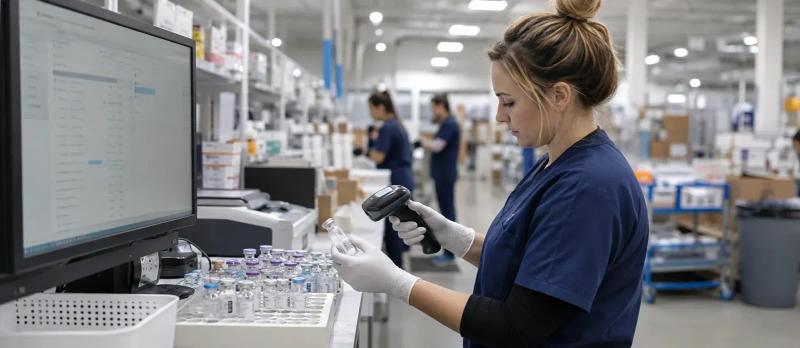
- Prescription routes to an FDA-registered compounding pharmacy for fulfillment
- Operator manages the client relationship; FuseHealth holds the compliance layer
Every prescription has a licensed provider behind it and a compliant pharmacy fulfilling it.
The Clearest Path Forward
What peptides should I use is not a trick question. It just needs to be answered in the right order: goal first, clinical review second, verified sourcing third. The purpose of peptides is to support what your body already knows how to do, and done right, they are one of the more targeted tools available in a long-term wellness program.
Why are peptides so expensive at a credible source is not a red flag. It is a sign the product actually reflects what went into making it. Fuse Health exists to make sure the entire pathway, from clinical decision to doorstep delivery, holds up to that standard.
Conclusion
Peptides represent one of the most targeted tools in modern wellness programs. The right protocol starts with your goal, proceeds through a licensed clinical review, and sources only from compliant, verified providers. FuseHealth makes this accessible for both operators and patients without compromising on clinical integrity or regulatory standards.
References
- Jastrzebska-Mierzynska M, et al. (2023). Peptide-based therapeutics: an emerging class of drugs. Frontiers in Pharmacology.
- Wilding JPH, et al. (2021). Once-Weekly Semaglutide in Adults with Overweight or Obesity (STEP 1 Trial). New England Journal of Medicine. 384, 989-1002.
- Joshi S, et al. (2022). Tirzepatide once weekly for treatment of obesity (SURMOUNT-1 Trial). New England Journal of Medicine. 387, 205-216.
- Valisure LLC. (2020). Valisure citizen petition on peptide product quality and labeling.

Daniel is a two-time founder who has scaled service businesses across major U.S. markets. A Y Combinator competition winner, he focuses on removing operational and regulatory barriers so operators can build and scale modern healthcare businesses.
- Background
- Startup Operations & Service Systems
- Experience
- 2x Founder, Multi-Market U.S. Scaling
- Qualifications
- Healthtech Market Expertise & Operational Scaling
- Key Achievement
- Scaled Premier Staff & Eventstaff across major U.S. markets